
Every system in production accumulates technical debt. That is not a sign of incompetence. It is the natural result of decisions made under a deadline, a budget, or limited information, decisions that made sense at the time. The problem is not having technical debt. It is failing to pay it down.
What Technical Debt Actually Means
The comparison to a financial loan explains this better than the phrase "bad code" does. When a team chooses a shortcut (skipping automated tests to ship a feature on time, for example), it gains speed now and takes on a debt that will need to be repaid later, with interest: more time spent on maintenance, more risk of bugs, more difficulty adding the next feature.
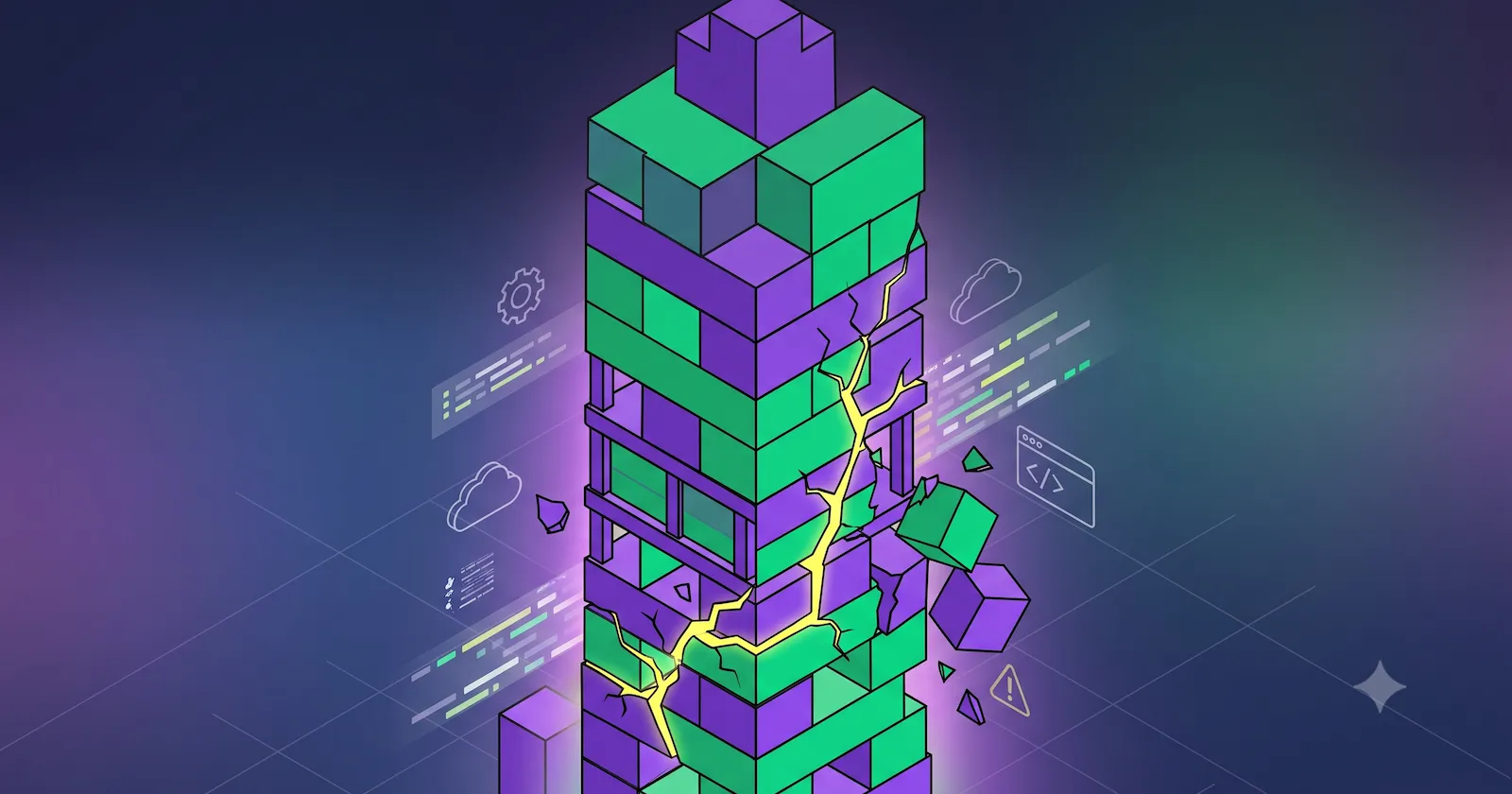
Well managed technical debt is a strategic tool. The problem starts when it accumulates unchecked, quietly, until the system becomes too expensive to evolve.
The Most Common Warning Signs
A few signs tend to show up well before a system grinds to a halt:
- Fear of touching the code: even small changes feel risky, and nobody wants to be the one who "breaks" something.
- Slower and slower releases: what used to ship in days now takes weeks, without the scope growing at the same pace.
- Recurring bugs in the same module: the same part of the system keeps breaking after every fix.
- Slow onboarding: a new developer takes months to feel confident making changes.
- Missing or ignored tests: a test suite exists, but nobody trusts it enough to run before a deploy.
None of these signs on their own is cause for alarm. Together, and persisting over time, they indicate that debt has moved from manageable to structural.
Why Debt Does Not Disappear on Its Own
Unpaid technical debt behaves like compound interest. Every new feature built on a fragile foundation raises the cost of the next change. At some point, the team faces two options: keep firefighting indefinitely, or stop everything for a full rewrite, with all the risk and time that entails.
How to Avoid a Full Rewrite
There is a path between those two options, and it starts with treating technical debt as an ongoing part of system maintenance, not a separate project for "whenever there's time." At Appventura, we call this model Continuous Evolution: a dedicated monthly hour package that lets refactoring, fixes, and new features move forward side by side, with priorities set together with the people who know the business.
The result is a system that stays healthy over time, instead of accumulating debt until rewriting from scratch looks like the only way out.
If your team recognizes some of these signs in your current system, it is worth a conversation. Talk to an Appventura specialist and see how a maintenance plan built around your context works.