

The Dangerous Myth of the 'Magic' Platform
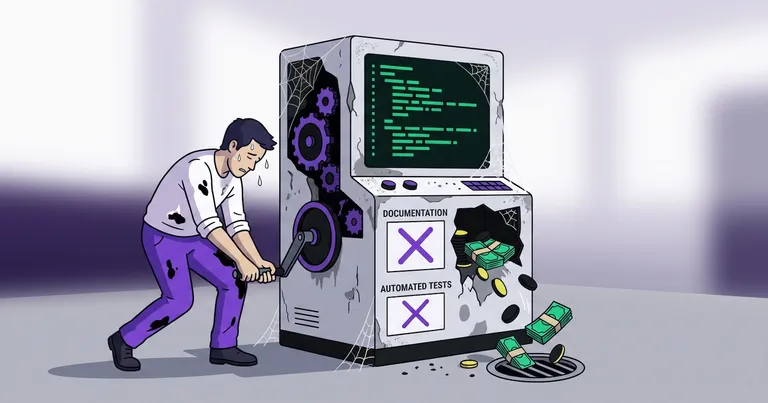
In our years of consulting at Appventura, we have seen a recurring pattern that leads to inevitable frustration. A visionary entrepreneur or an established company comes to us with a grand idea for a new platform. They pour significant resources into the architecture, the user interface, and the backend scalability, believing that if they build the perfect digital product, the market will naturally follow. They view software as a growth engine in its own right, expecting that code will translate directly into revenue.
Then, the launch happens. The platform is stable, the code is clean, and the load times are lightning-fast. But the user count remains stagnant. The conversion rate is negligible. Suddenly, the focus shifts from product development to 'why isn't the software selling itself?' This is where the misalignment begins. It is time to address a hard truth: Software does not do marketing. Software is the infrastructure, not the demand generator. Understanding this distinction is the difference between a thriving digital product and a digital graveyard.
The Role of Development: Building a Reliable Foundation
To manage expectations, we must first define what software development actually achieves. When you hire an expert technical partner, you are paying for the creation of a utility. The role of the IT and development team is singular and absolute: they are the architects and builders of the digital environment.
Reliability and Uptime
Your software must function consistently. If a user clicks a button, the expected action should happen every single time. A technical team ensures that your infrastructure is robust, handled by professional cloud practices, and capable of managing the traffic you hopefully attract.
Speed and UX Architecture
Development is responsible for the 'bones' of the experience. We ensure that the pages load quickly, the flow is intuitive, and the accessibility standards are met. If a user leaves your site because it feels clunky or slow, that is a development failure. However, if a user lands on your site and sees no reason to stay, that is not a technical issue; it is a value proposition issue.
Security and Compliance
Your software must be a fortress. In an era where data privacy is paramount, the development team is responsible for encryption, secure authentication, and compliance with regulations like GDPR. This is the foundation of trust. Without security, your marketing efforts will eventually be undermined by a breach of consumer confidence.
Where Software Stops and Business Strategy Begins
If the development team builds a high-performance, beautiful, and secure car, it is their job to ensure the engine starts and the wheels turn. It is not their job to drive the car to a destination where people actually want to go. That is the job of your marketing, sales, and strategy teams.
Many businesses fall into the 'Anti-ICP' (Ideal Customer Profile) trap here. They assume that if the software is 'good enough,' it will attract 'anyone.' But software built for 'everyone' rarely sells to anyone. Marketing is the process of identifying who needs your solution, articulating the pain points you solve, and convincing them that your platform is the vehicle for their success.
Why Your Code Can't Convince a Customer
Marketing involves the 'why,' whereas software development focuses on the 'how.' You can have the most elegant API in the world, but if your landing page copy doesn't speak to the buyer's anxiety, their budget, or their specific professional goals, they will never register. Marketing is about empathy, storytelling, and persuasion. Software cannot empathize. It can only execute commands.
The Feedback Loop Paradox
There is a common misconception that user behavior data within an app will somehow 'fix' the marketing. While data provides insights, it requires human intelligence to interpret them. If your bounce rate is high, your developers can tell you that the site is technically sound, but they cannot tell you that your messaging is boring. That requires a marketing strategist who understands the difference between a bug and a lack of market-product fit.
Managing Expectations: A Collaborative Approach
At Appventura, we believe in radical transparency. When we partner with a client, we define the scope clearly. We are responsible for the performance, scalability, and security of the platform. We are the partners who ensure that when your marketing team drives traffic to the site, the site does not collapse under the weight of that success.
Defining Success Metrics
To keep development and marketing aligned, you must separate your metrics.
- Technical KPIs: Server uptime, API response time, error rates, and load capacity.
- Business/Marketing KPIs: Customer Acquisition Cost (CAC), Lifetime Value (LTV), conversion rates, and churn.
If you blame your developers for a high CAC, you are looking for a technical solution to a strategic problem. Conversely, if your marketing team blames the product for a lack of sales, you must ensure that they have actually tested the user experience and provided clear requirements for what features are missing to facilitate the sale.
The Takeaway: Growth Requires Both Halves
The most successful digital products in the market today are not the ones with the most 'clever' code, but the ones where the technical foundation and the marketing strategy are perfectly synchronized. Your software provides the stage, but your marketing creates the show.
If you are a stakeholder, stop expecting your development team to be your lead generation specialists. If you are a technical lead, stop assuming that shipping features is the same as shipping business growth. Recognize that your platform is the vessel, but your marketing is the wind in the sails. When you treat these as distinct, equally important functions of your business, you stop fighting against the nature of the tools you use and start leveraging them to build something that actually lasts. Success happens when great technology meets a great message, and not a moment before.